
The Ultimate Guide to Electrical Safety at Home – Protecting Your Family from Fire Hazards
🔥 Introduction: Why Electrical Safety Matters
Electricity powers our lives, from lighting our homes to charging our devices. Yet behind the convenience lies a serious risk: electrical fires are one of the top causes of household fires worldwide. According to the National Fire Protection Association (NFPA), electrical failures or malfunctions account for nearly 10% of all reported home fires in the United States.
Often, these incidents are not due to faulty devices but how we use them — overloaded power strips, aging outlets, hidden frayed wires, or improper installations. Most electrical accidents are preventable with awareness and a few smart practices.
This guide will walk you through everything you need to know to make your home electrically safe — from choosing the right gear to spotting danger signs and staying protected with modern technology.
⚠️ Understanding Common Household Electrical Hazards
Before you can prevent danger, you need to know where it lurks. Here are the most frequent electrical hazards in homes:
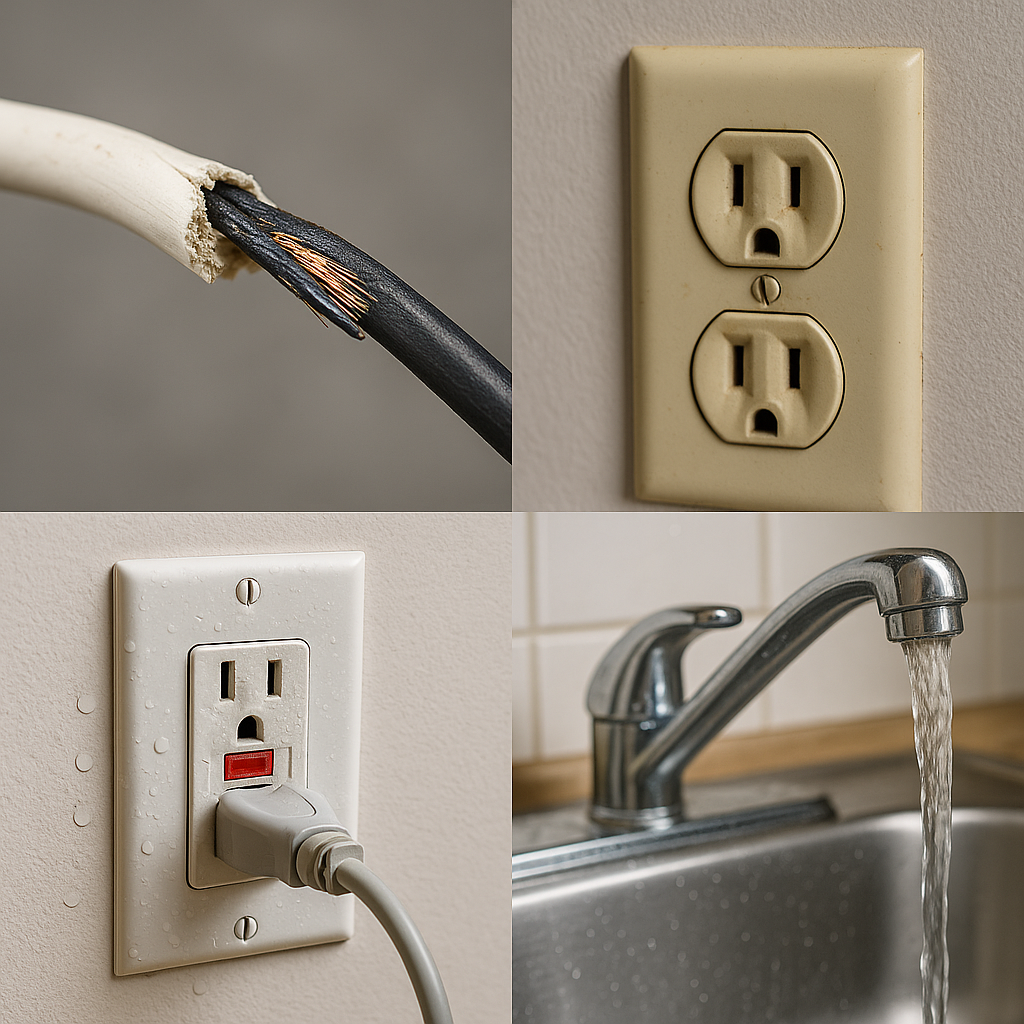
- Overloaded circuits – Plugging too many high-wattage appliances into one outlet.
- Frayed or damaged wires – Worn cords or cracked insulation.
- Outdated outlets – Especially two-prong ones without grounding.
- Wet areas – Using devices near water or in damp environments.
- Improper extension cord use – Long-term use instead of permanent wiring.
- Space heaters – Common cause of electrical fires when used with strips.
These issues can lead to short circuits, overheating, sparking, and fires — all of which can be prevented.
🔌 Overloaded Power Strips – A Hidden Fire Starter
Power strips are designed for convenience, not capacity. They expand outlet access but are not meant to handle large appliances.
Each strip is rated for a certain load, typically 1800 watts (15 amps). Going over this, especially with devices like:
- Heaters
- Microwaves
- Hair dryers
- Toasters
…causes the strip to overheat, melt, or spark. If placed near rugs or behind furniture, this becomes a major fire risk.
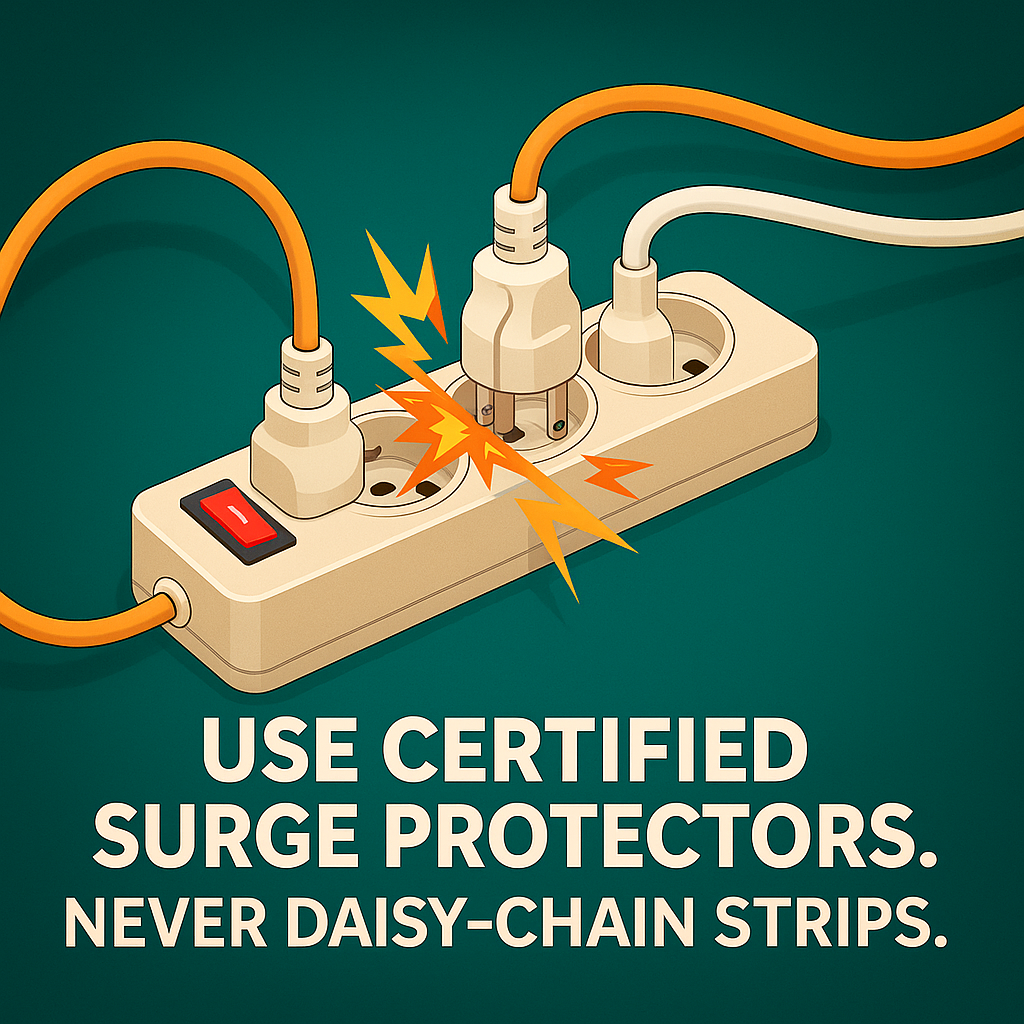
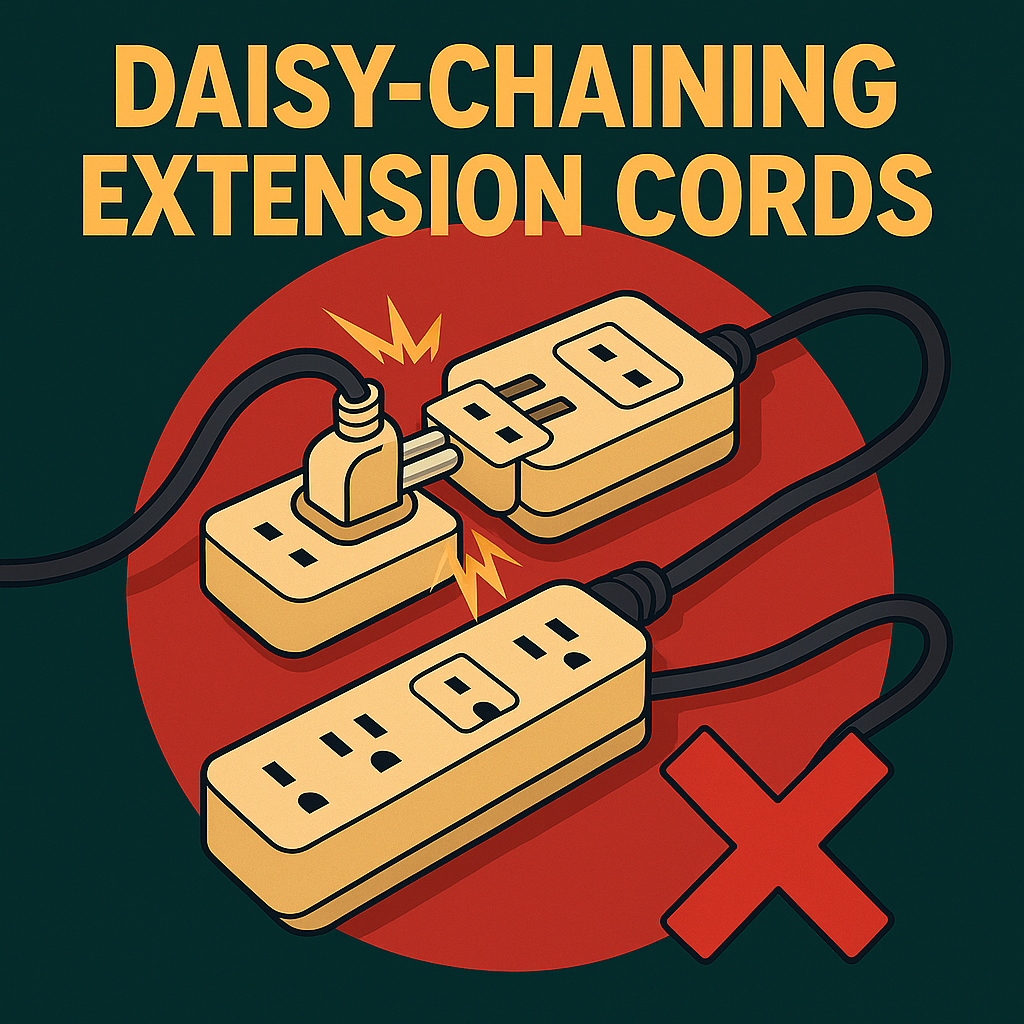
Daisy-chaining (plugging one strip into another) doubles the danger. Instead, use a strip with:
✅ Surge protection
✅ Built-in circuit breaker
✅ Certification (UL, CSA, or CE)
✅ Clearly labeled wattage
🛡️ How to Safely Use Power Strips and Extension Cords
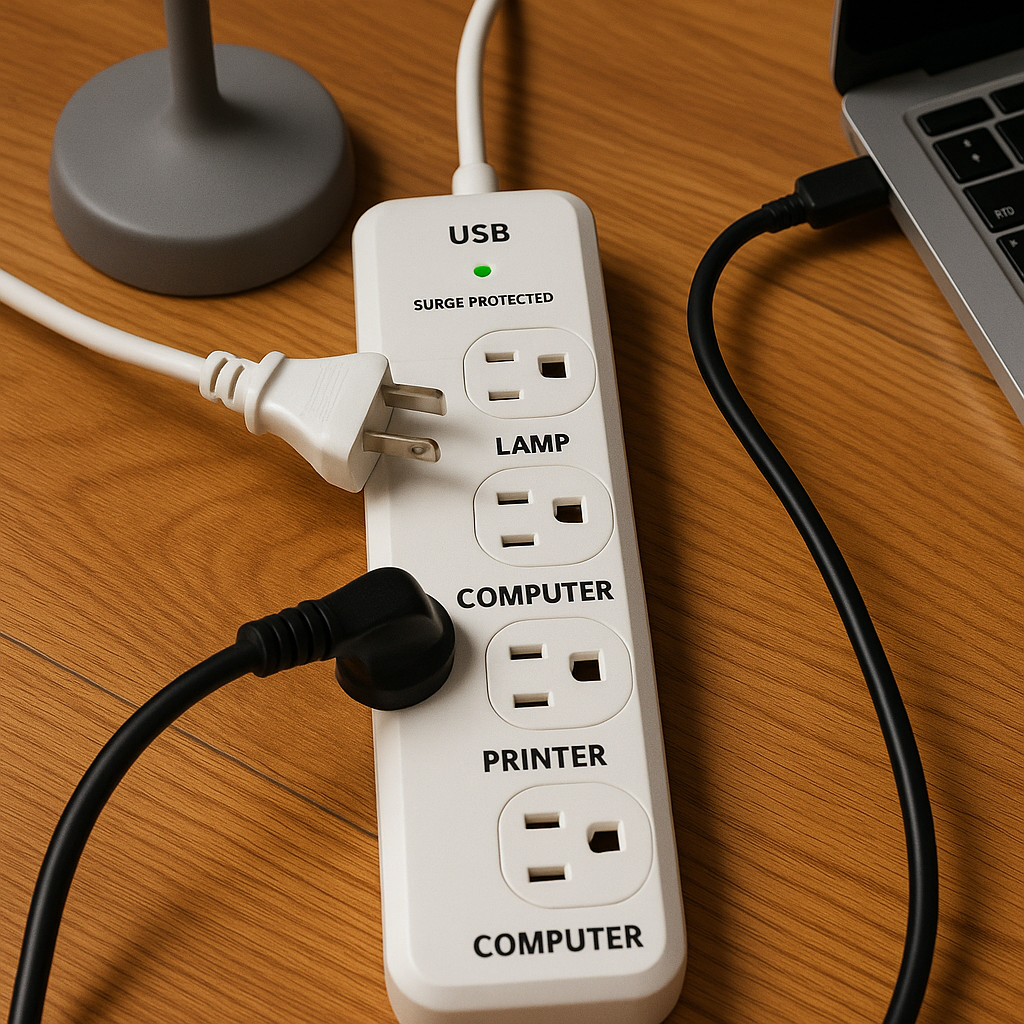
Most extension cords are temporary solutions, not meant for long-term use. To stay safe:
- Never run cords under rugs or furniture
- Avoid daisy-chaining strips or cords
- Match device load to cord capacity
- Keep cords cool, dry, and visible
- Inspect for damage regularly
And remember: never use extension cords with high-heat appliances, such as portable heaters or air fryers. These should always plug directly into wall outlets.
🏠 Room-by-Room Electrical Safety Checks
Let’s break down what to look for in each area of your home.
🛋️ Living Room
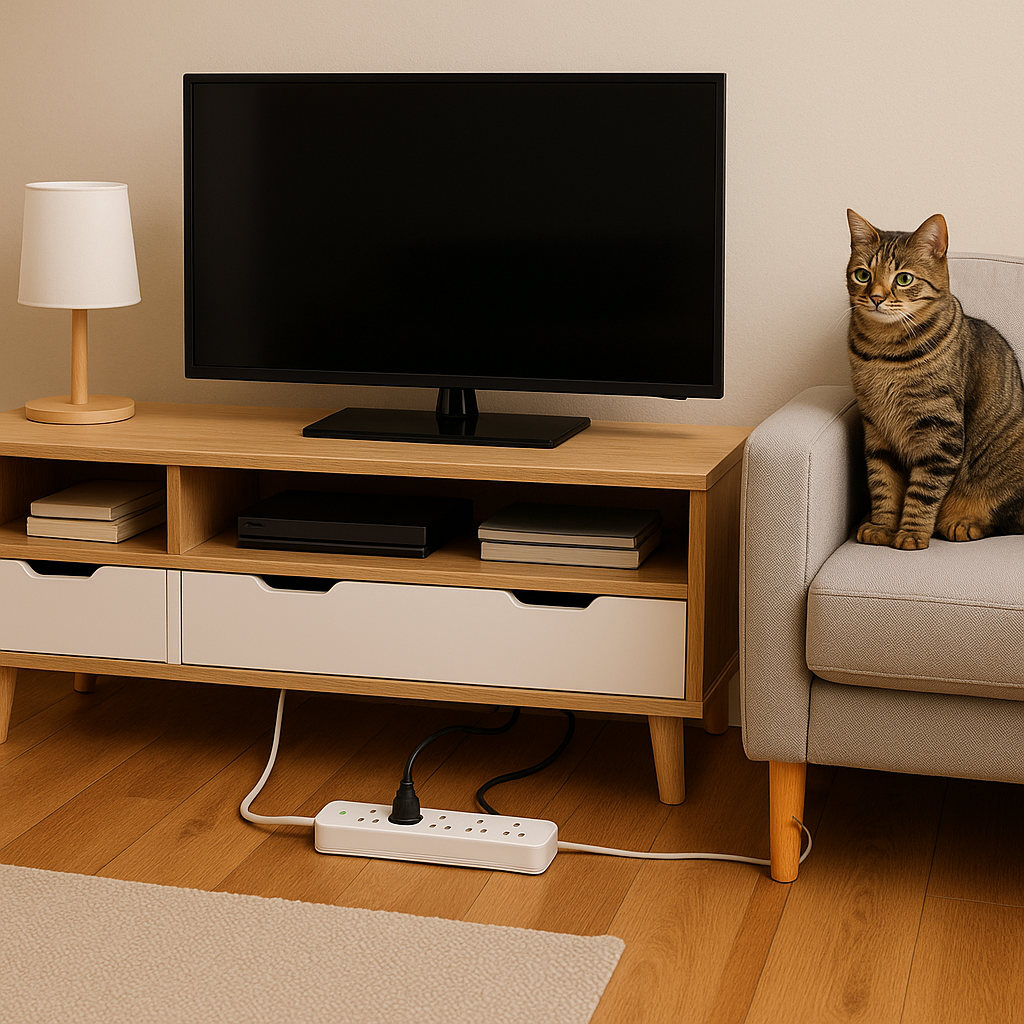
- ✅ Use power strips with surge protection for TVs and routers
- ❌ Avoid plugging heaters or high-draw speakers into strips
- 💡 Keep cords off carpets and away from pets
🍳 Kitchen
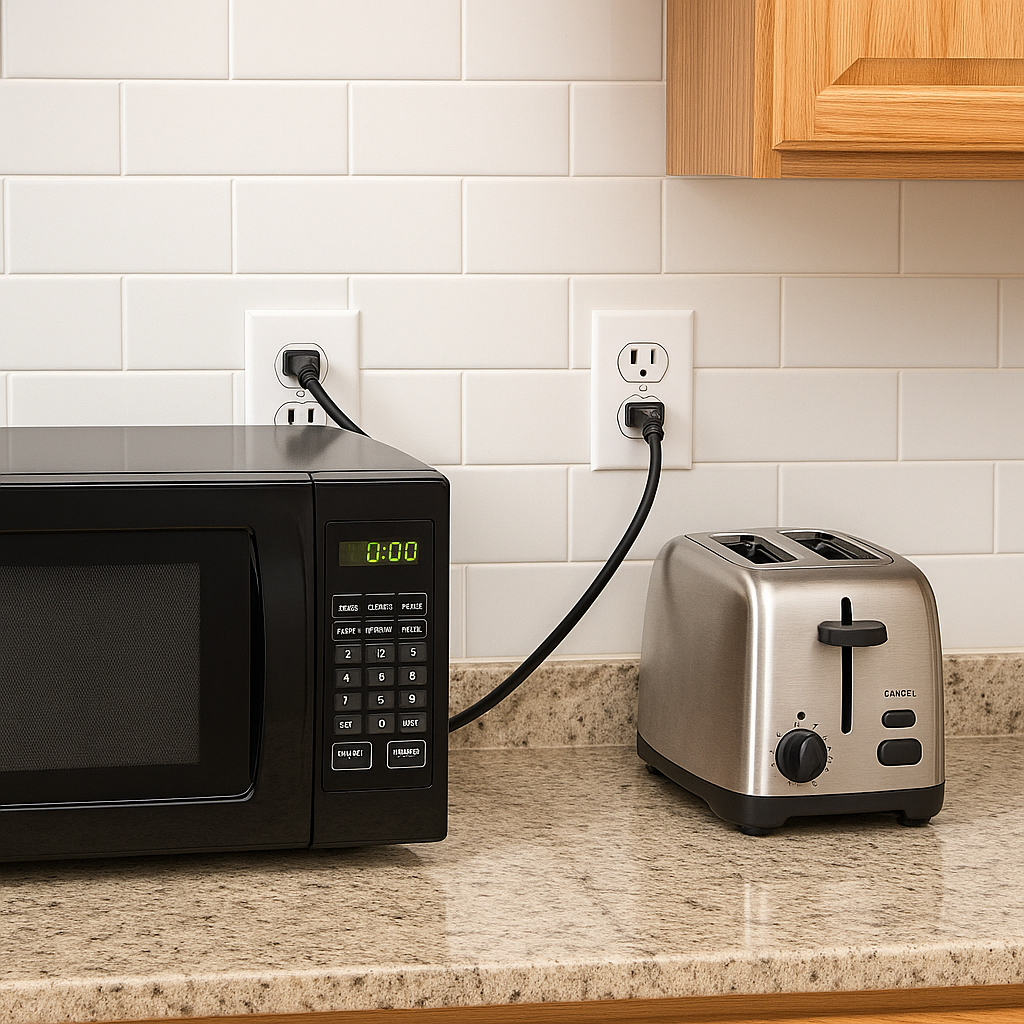
- ❌ No toasters or microwaves on strips — plug directly into wall
- ✅ Keep outlets dry and clean
- 💡 Use GFCI outlets (required by code)
🛏️ Bedroom
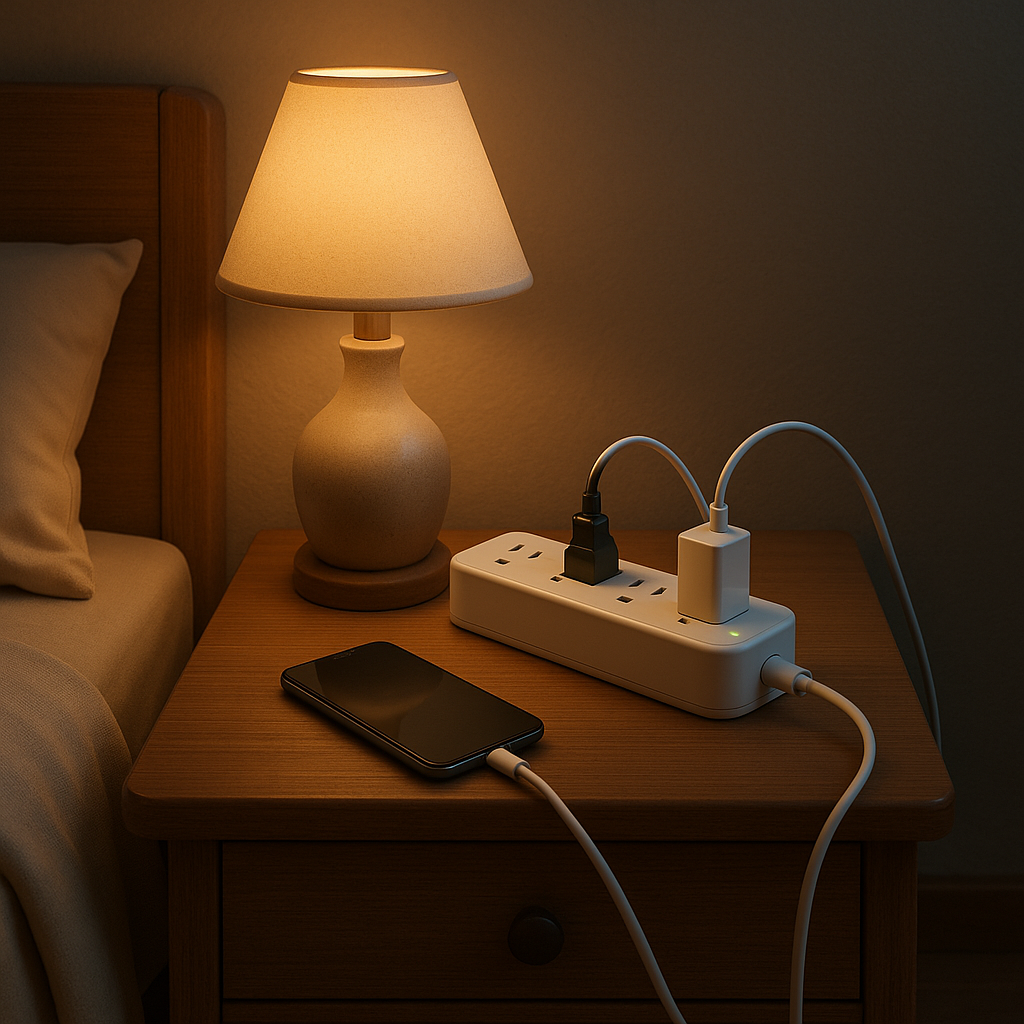
- ✅ Good for phone chargers, lamps
- ❌ Avoid electric blankets on power strips
- 💡 Check for loose plugs or worn nightstand cords
🧸 Kids’ Room
- ✅ Use tamper-proof outlets
- ❌ Don’t overload strips with toys or sound machines
- 💡 Secure cords out of reach
💻 Home Office
- ✅ Plug laptops, monitors, and printers into surge protectors
- ❌ Don’t cluster multiple computers on one strip
- 💡 Use a UPS (Uninterruptible Power Supply) for sensitive tech
🔍 Signs of Electrical Problems You Shouldn’t Ignore
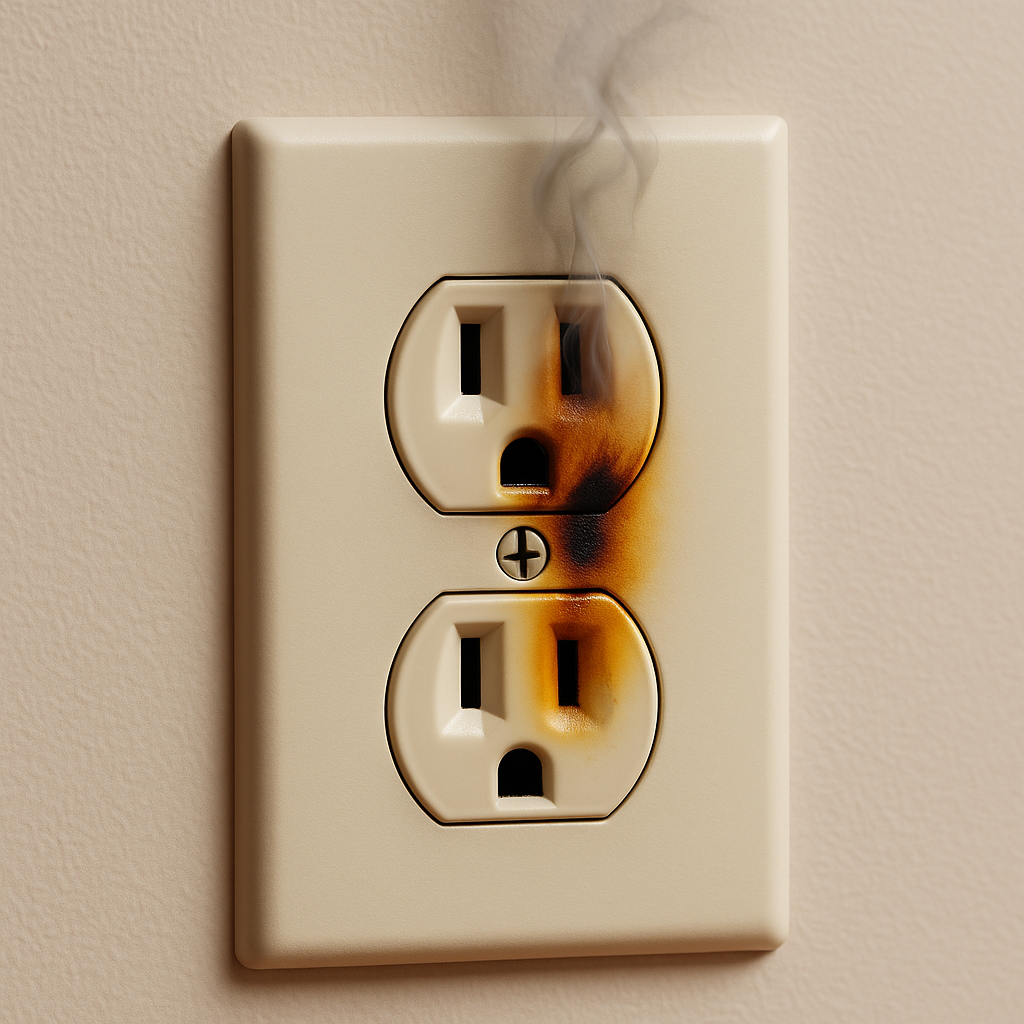
Electrical systems often warn you before failing. Watch out for:
- 🔥 Burning smell near outlets
- ⚡ Flickering or dimming lights
- 🔌 Warm or discolored wall plates
- 💥 Buzzing sounds from outlets or switches
- 🚫 Frequent breaker trips
These signs should be checked by a licensed electrician immediately. Ignoring them could result in a fire hazard.
🧯 Top 15 Electrical Safety Tips for Every Home
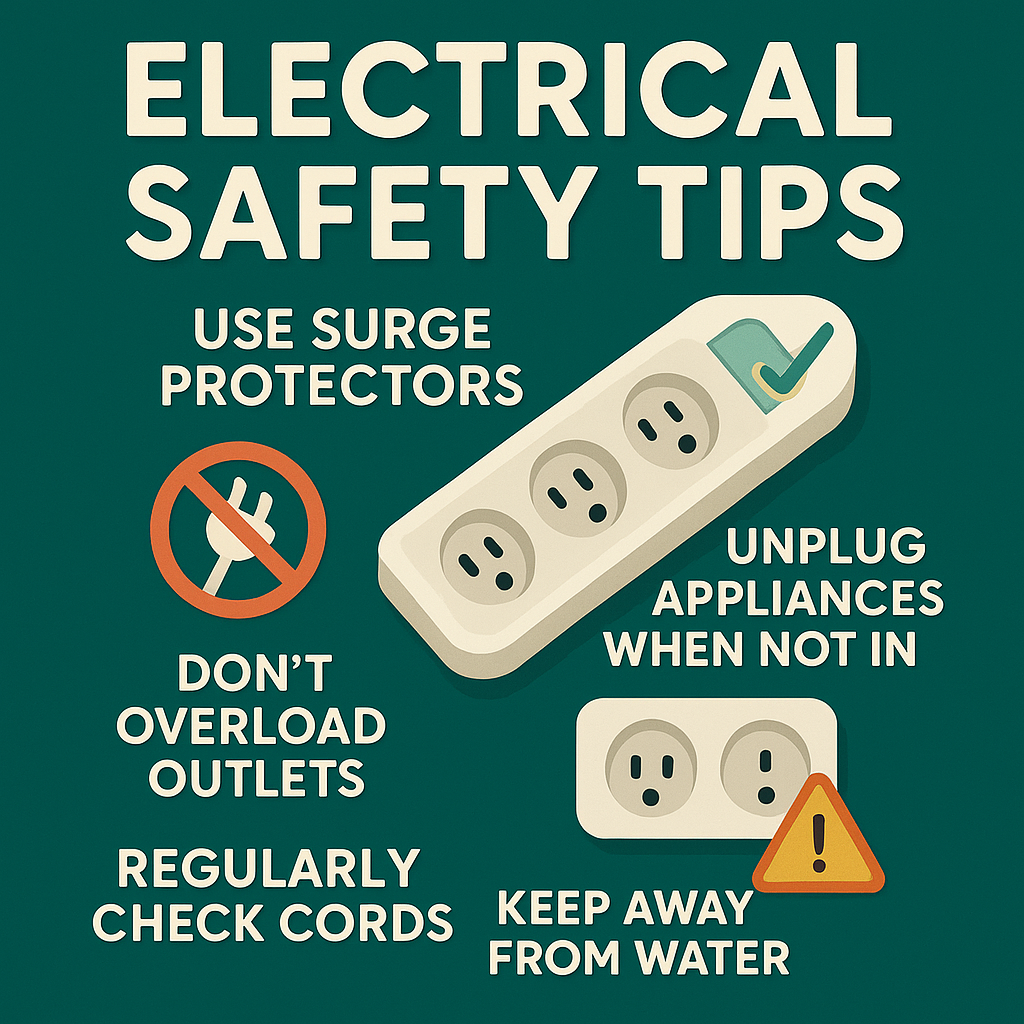
- Don’t overload outlets
- Unplug appliances when not in use
- Replace damaged cords immediately
- Use surge protectors for electronics
- Install tamper-resistant outlets for kids
- Don’t run cords under carpets
- Never ignore a burning smell
- Use proper wattage bulbs in fixtures
- Replace old or two-prong outlets
- Schedule an electrical inspection every 5–10 years
- Keep extension cords dry and out of walkways
- Label your home breaker panel clearly
- Use GFCI outlets in bathrooms and kitchens
- Don’t use adapters or “cheater” plugs
- Teach kids not to play with sockets or cords
⚙️ The Role of Surge Protectors and Circuit Breakers
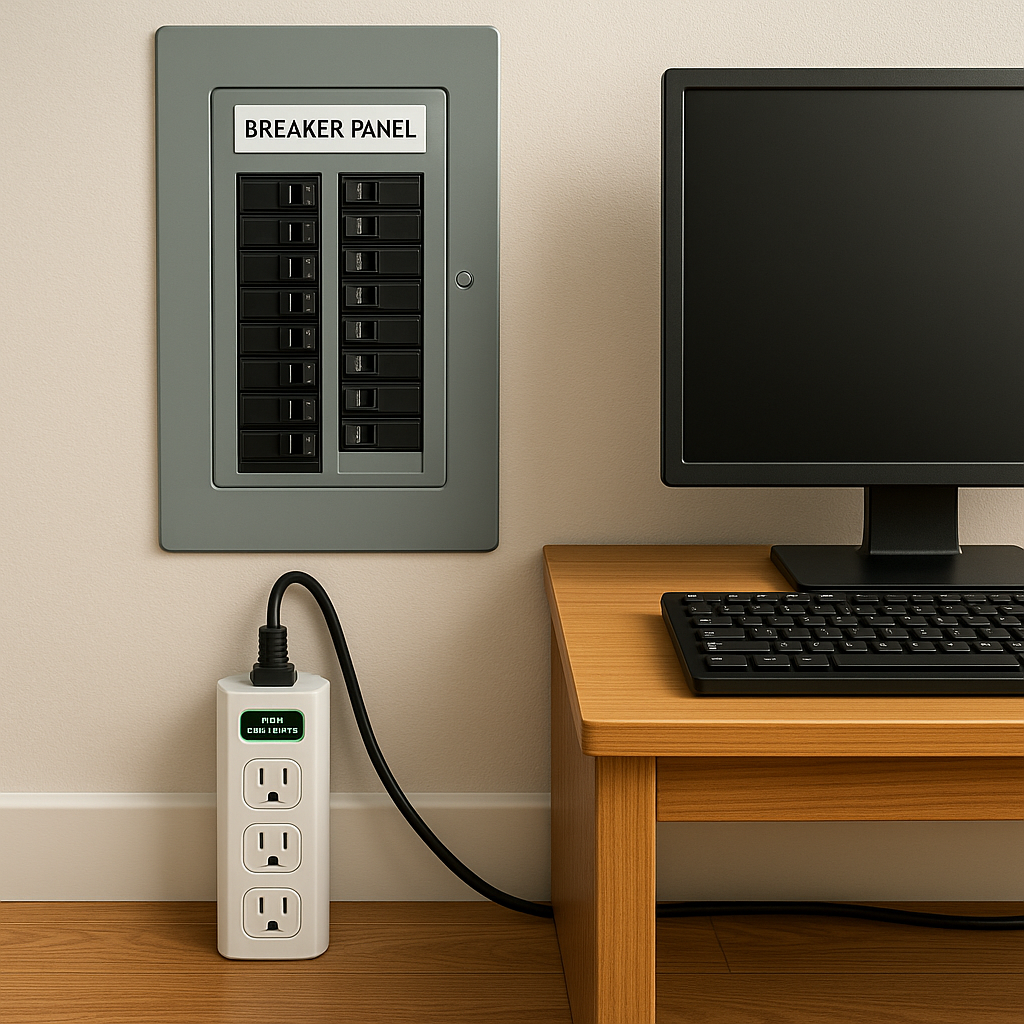
A power surge happens when voltage spikes unexpectedly — often from lightning or grid issues. This can fry computers, TVs, and appliances.
A good surge protector:
- Absorbs extra voltage
- Safeguards your gear
- Can be rated in joules (600+ is solid for home use)
Meanwhile, your circuit breaker protects your home wiring from overload. If it trips:
- Unplug some devices
- Reset it safely
- If it keeps tripping — call an electrician
📱 Smart Devices and Modern Electrical Safety Innovations
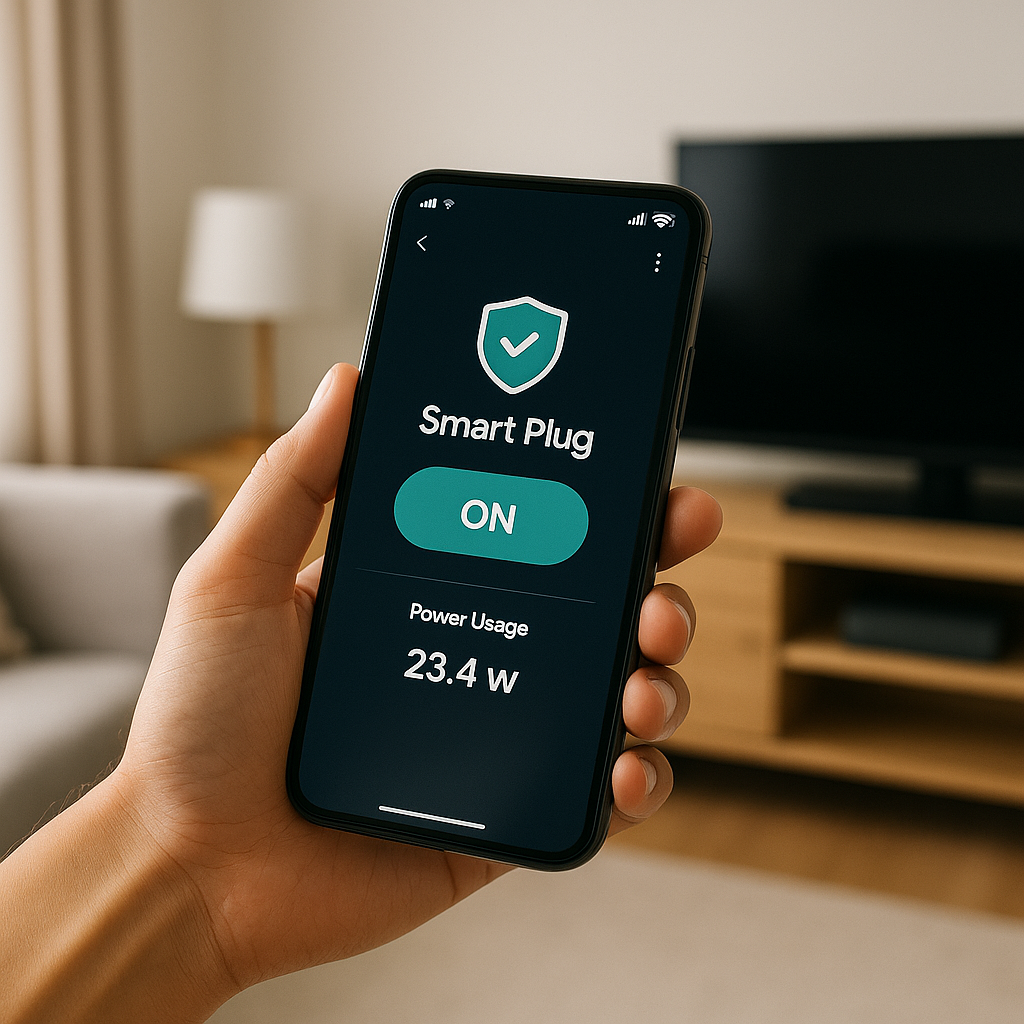
Technology is making home safety smarter. Consider:
✅ Wi-Fi-enabled power strips – Monitor power usage from your phone
✅ Voice-controlled outlets – Integrate with Alexa/Google
✅ Smart circuit breakers – Alert you to overloads in real-time
✅ Energy monitoring plugs – Help detect phantom loads
These devices not only add convenience, but also offer extra protection — especially for high-tech homes.
🔥 What to Do in Case of an Electrical Fire
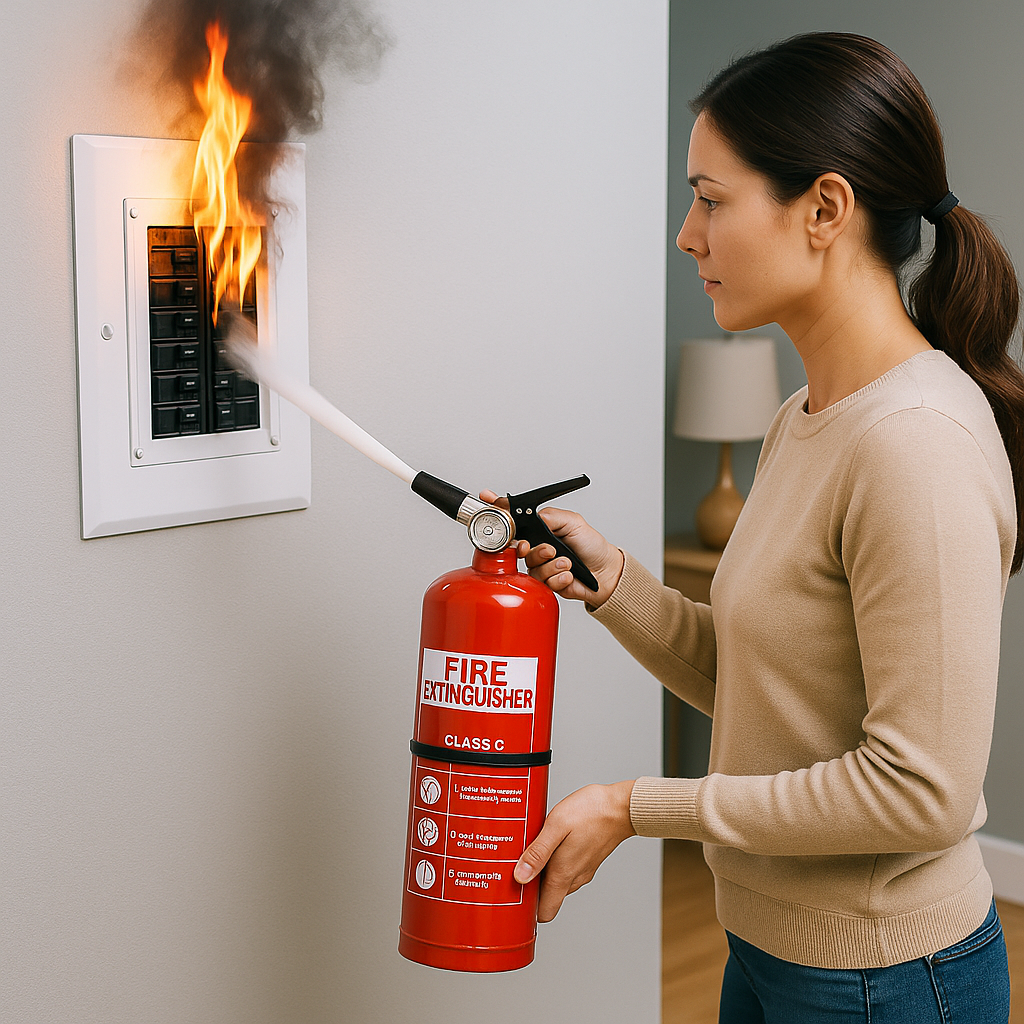
If you suspect an electrical fire:
- Unplug the source (if safe)
- Use a Class C fire extinguisher
- Never use water – it conducts electricity
- Call emergency services immediately
- Evacuate if needed
- Do not re-enter until cleared
Once safe, document damages for insurance and have your electrical system professionally inspected.
📚 Real-Life Incidents and What We Can Learn
1. The Overloaded Office
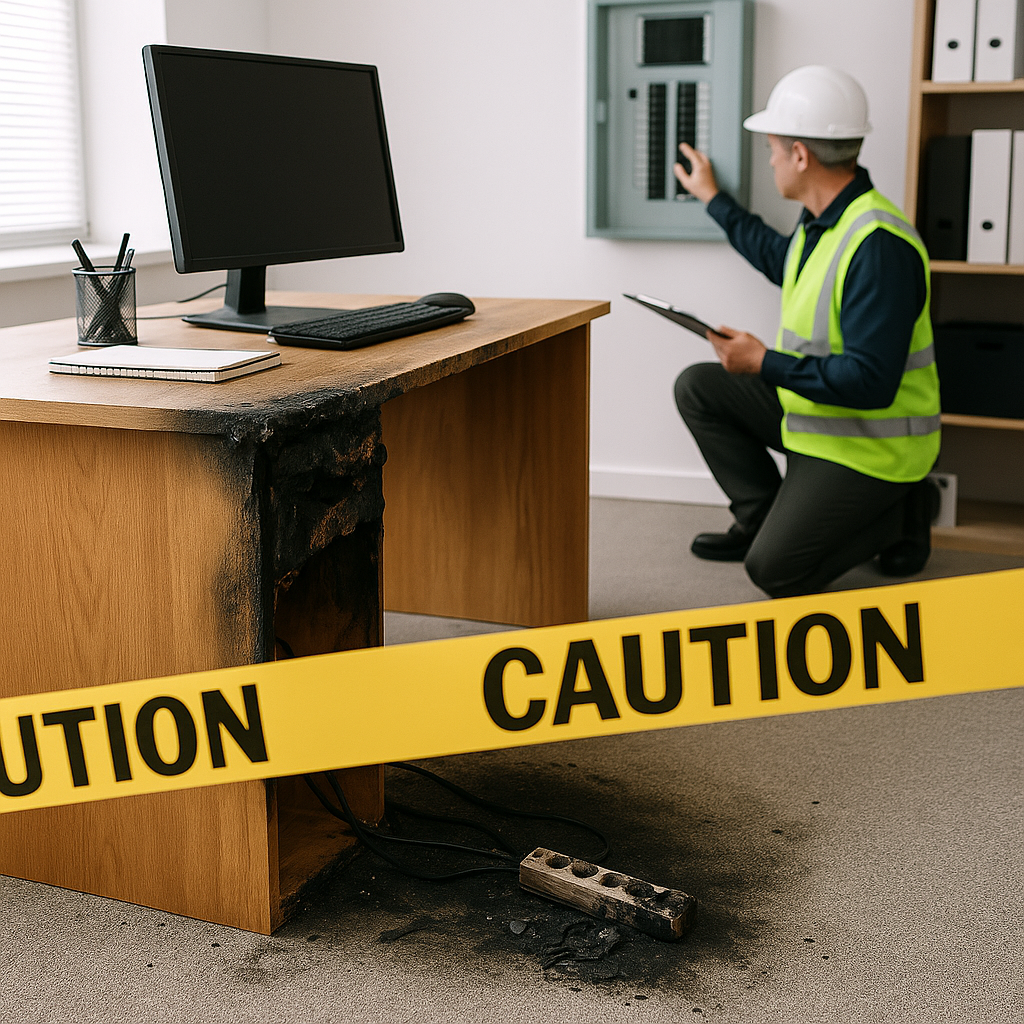
A graphic designer in Austin lost his $4,000 Mac setup when a strip overloaded under his desk. He’d plugged in a space heater during winter.
Lesson: Never combine high-draw devices with sensitive electronics.
2. The Bedroom Blanket Fire
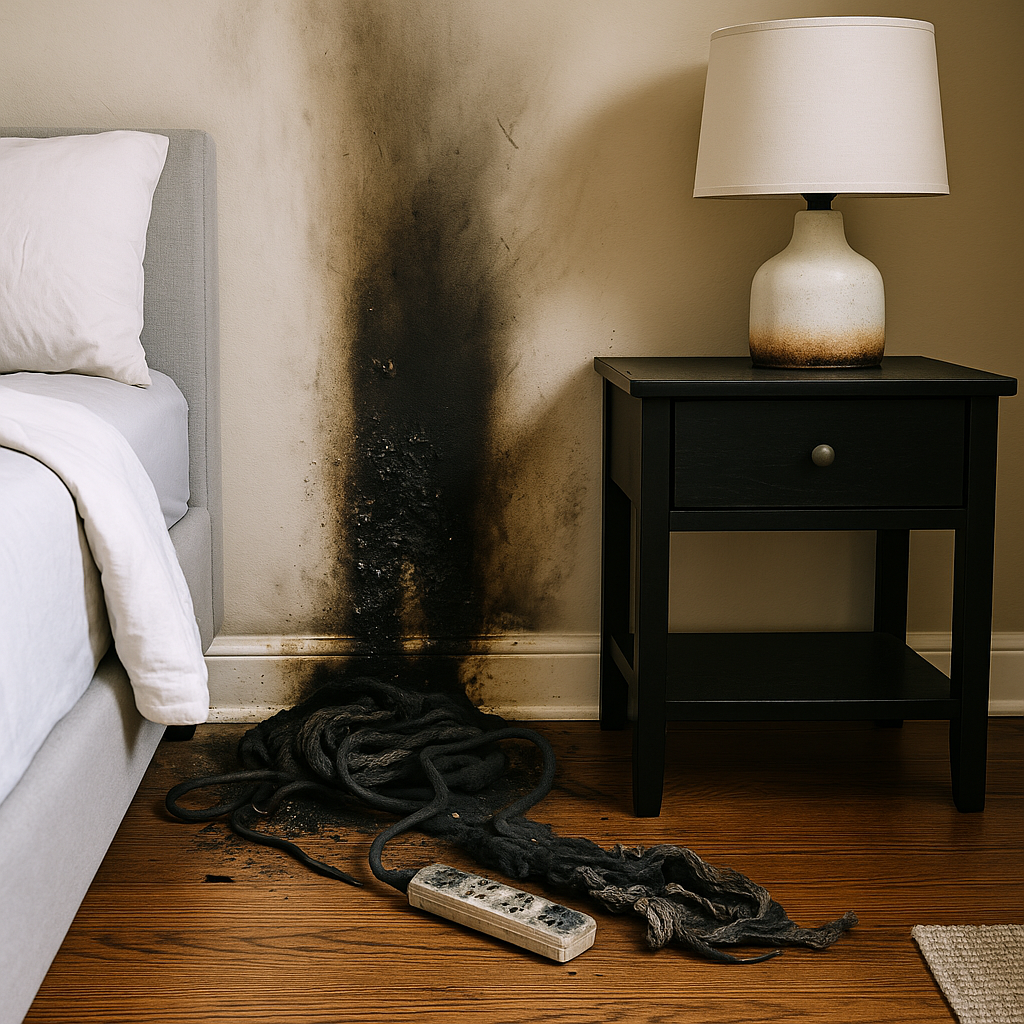
An elderly woman in Toronto left her heated blanket on overnight—plugged into a strip. It ignited while she slept. Thankfully, smoke alarms saved her life.
Lesson: Use only wall outlets for heating items and turn them off before bed.
🛍️ Choosing the Right Equipment – A Buying Guide
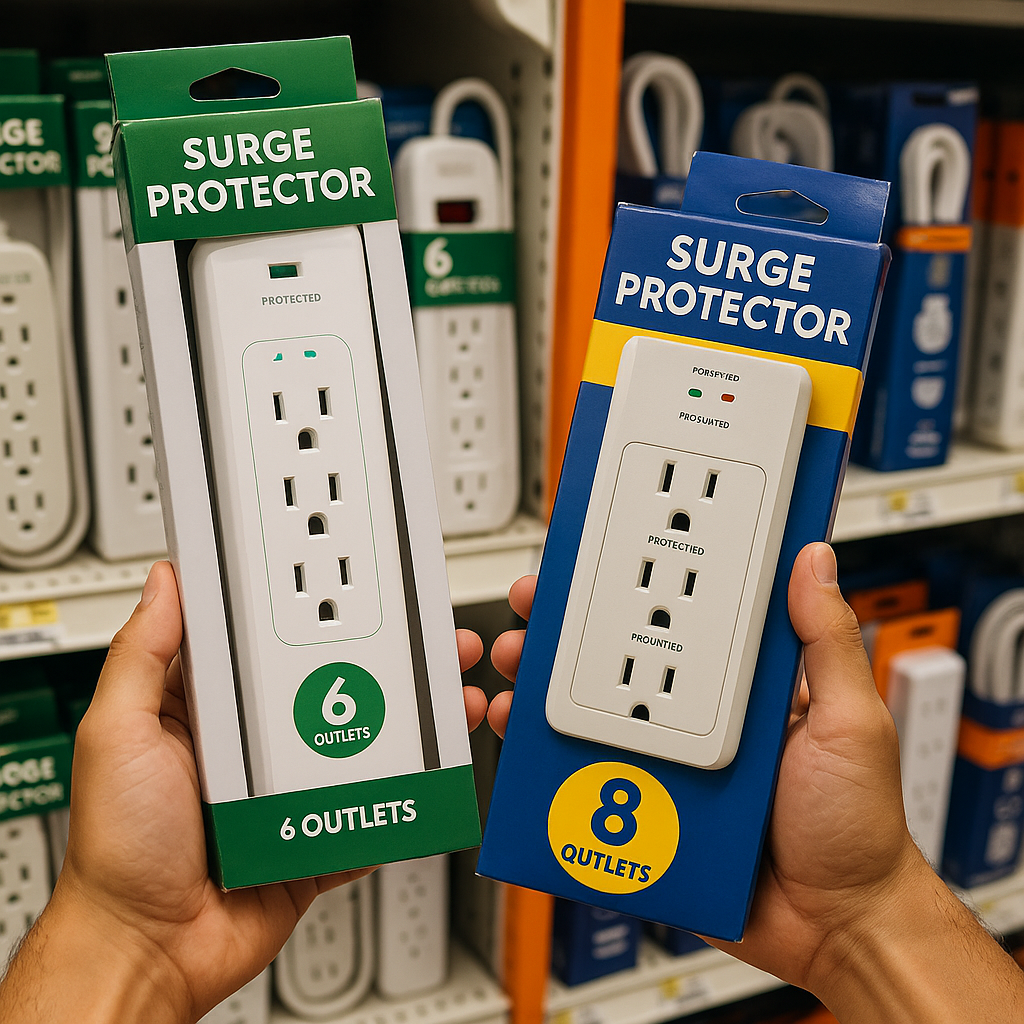
Here’s what to look for in power accessories:
| Item | Must-Have Features |
| Power Strip | UL/ETL Certified, breaker, surge protection |
| Extension Cord | Proper length (not too long), rated wattage |
| Outlet Adapter | Avoid unless grounded and surge protected |
| Surge Protector | 600+ joule rating, indicator lights |
| Smart Plug | Remote monitoring, overload shutoff |
Stick to known brands like Tripp Lite, APC, Anker, Belkin, or Eaton for long-term reliability.
✅ Conclusion: Proactive Safety Starts with Awareness

Your home’s electrical system is mostly out of sight — but that doesn’t mean it should be out of mind. Fires and shocks are not just accidents; they’re often the result of neglect or misinformation.
By staying alert, buying smart, using certified equipment, and recognizing the signs early, you can protect:
- Your family
- Your home
- Your peace of mind
Electrical safety isn’t expensive — but ignoring it could be.
🛡️ Stay Safe with Radarians Shield